
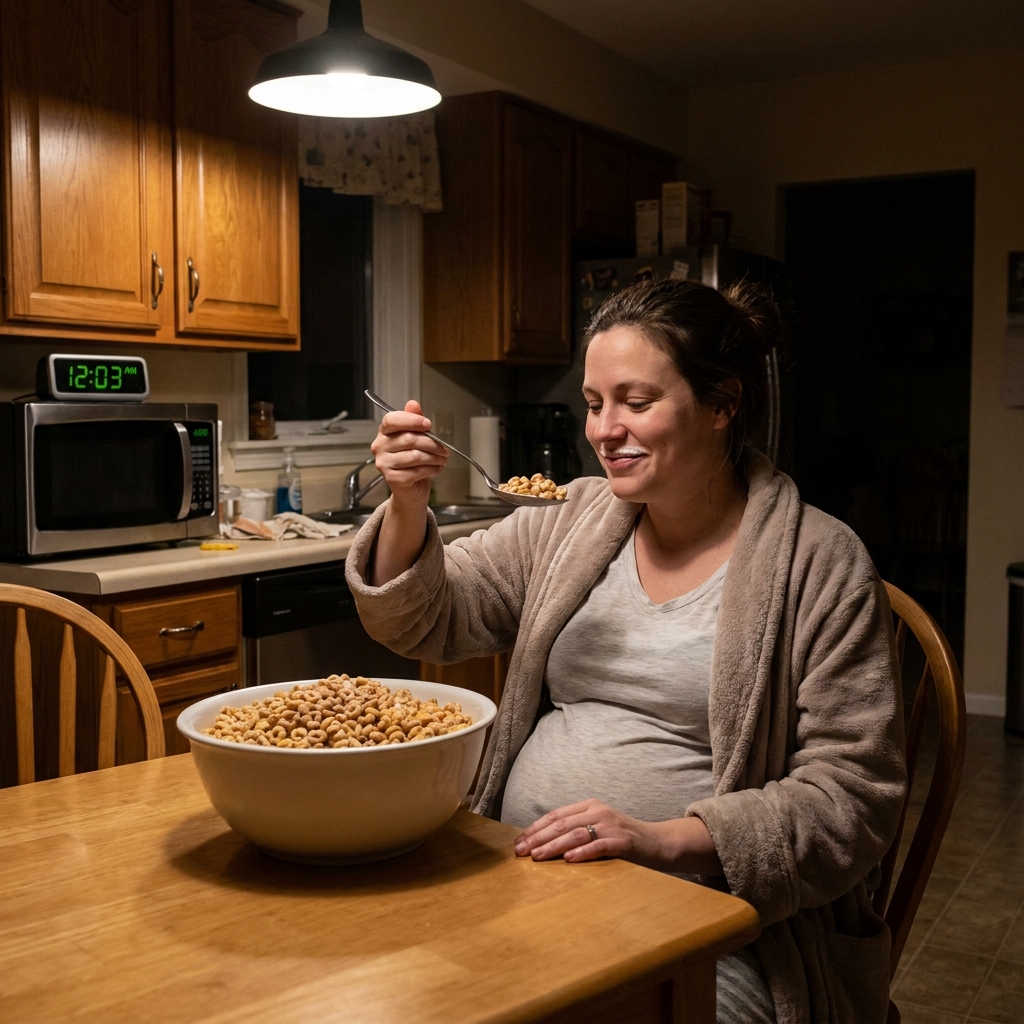
You are 36 weeks pregnant and it is 2am and you are lying there wondering if you remembered the important things or somehow packed four pairs of socks and no maternity pads. The hospital bag is one of those things that every person in your life has an opinion about, most of it conflicting, and most of it more detailed than useful.
This is the practical version. Not a generic list, but an annotated one that explains what each item is actually for, when to pack it, and what you almost certainly do not need.
When to start packing
The NHS guidance says to have your bag ready by week 36. The real-world guidance is: start gathering things from week 32 and have the bag physically packed by week 34. Thirty-four-week labours happen. Group B Strep is diagnosed at 35 to 37 weeks and can trigger an early admission. And the peace of mind of a packed bag sitting in the corner is worth more than waiting for the "right" time.
Do not pack everything at once. A lot of items you will use right up until labour, your toiletries, phone charger, snacks. Keep a final "grab list" on your phone of things to add in the last minutes.
The three-bag model that makes packing manageable
Most hospital bag guides treat everything as one enormous bag. In practice, it helps to think in three categories, which you can pack as separate bags or labelled sections of one large holdall.
- The labour bag: everything for active labour. TENS machine, snacks, a playlist, lip balm, straw cup, a fan, your notes, your birth plan.
- The recovery bag: things for after the birth, for the hours or days on the ward. Maternity pads, breast pads if breastfeeding, comfortable post-birth clothing, toiletries, your own pillow.
- The baby bag: everything for your baby from birth to going home. Vests, sleepsuits, a hat, mittens, a blanket, going-home outfit, nappies, cotton wool.
What to pack, item by item
The labour bag (for you during active labour)
- Your maternity notes and birth plan. Always. Keep them in the bag from 32 weeks.
- A long phone charger cable plus a portable battery pack. Hospitals rarely have outlets near beds and labour is long.
- Snacks with sustained energy: oat bars, bananas, nuts, dried fruit, soft sweets for a quick sugar hit. Something for your partner too. They are there for hours.
- A hand fan or small battery-powered fan. Labour wards are warm. A fan is one of the most-used comfort items in active labour, especially in the transition stage.
- A TENS machine if you plan to use one. The best time to put it on is early labour, at home. Bring spare pads.
- Lip balm. Breathing through labour is very drying. A small tube of Vaseline or a proper lip balm is something you will reach for constantly.
- A water bottle with a straw or sports cap. In strong labour you will not be sitting up to drink. A straw means you can drink lying down.
- A loose, washable nightgown or long-line shirt. Hospital gowns work but they are thin and awkward. If you want to feel like yourself, bring a loose cotton option you do not mind potentially staining.
- Headphones if you have a labour playlist. In early labour, music makes a real difference. In transition you probably will not care. But in the long middle stretch, your playlist might be the most useful thing in the bag.
The recovery bag (for after the birth, for you)
- Maternity pads: at least ten to fourteen for the first 24 hours. You cannot bring too many. Thin sanitary towels are not sufficient. You need proper maternity pads with full coverage.
- Breast pads if you plan to breastfeed. Colostrum can start leaking before your milk comes in. A few pairs in the first hours will save your clothing.
- High-waisted, dark-coloured, loose underwear that sits above any stitches. If you had or might need a caesarean, high-waisted is not optional. Bring five to seven pairs.
- Comfortable post-birth clothing: loose joggers or pyjama bottoms and a top that can be quickly opened for feeding. Button-front is more practical than over-the-head.
- Toiletries including dry shampoo. A shower after labour is one of the most restorative experiences of the entire process. Bring everything you need for a proper one.
- Your own small pillow in a distinctive pillowcase. Hospital pillows are flat and thin. The distinctive case means it does not get mixed up with hospital linen.
- Snacks for after the birth. You will be hungry. Hospital food is often not available immediately and the timing is unpredictable. Bring things you can eat one-handed at 3am.
The baby bag
- Three to five vest bodysuits in newborn and size 0 to 3. Do not skip newborn size. Most term babies fit newborn for the first week or two, and a vest that gaps at the shoulder is uncomfortable for a tiny baby.
- Three to four sleepsuits in newborn and 0 to 3. Two-way zip makes nappy changes at 3am on a ward significantly less miserable.
- Two to three newborn hats. Babies lose heat quickly through their heads and wards can be cold at night.
- Scratch mitts or fold-over cuffs built into sleepsuits. Newborns have long nails and scratch their own faces constantly.
- A cellular blanket or muslin. Hospitals provide blankets but having your own means your baby smells like home from the first hours.
- One packet of newborn nappies and a smaller pack of size one. Bring your own even if the hospital provides them. Running out at 3am is not a problem you want.
- Cotton wool balls or water wipes for the first few nappy changes. Meconium is thick and sticky and needs gentle, careful cleaning.
- A going-home outfit: something comfortable and easy to get on over a head the baby cannot yet cooperate with. Wrap-front is easier than buttons down the back.
The partner bag (if your partner is staying)
- A change of clothes, toiletries, and their own snacks and drinks. Hospital vending machines are expensive and not always available overnight.
- A pillow, a small blanket, and something to do during the long slow stretches of early labour.
- Cash for the car park. Many hospital car parks do not take cards reliably at night. Bring coins from 36 weeks.
- A notepad. In the blur of late labour and the hours after birth, details do not stick. Writing questions and answers down means you have them later.
The 10 things most hospital bag lists leave out
- A small battery-powered fan. Already in the labour section but worth saying again because it appears on almost no standard list and almost every woman who brings one uses it constantly.
- A second phone charger permanently living in the bag from 34 weeks. The first charger stays on the grab list. This one never comes out of the bag.
- Flip flops or slides with a back strap. Bare feet on hospital floors are not recommended, and the walk to the shower after birth is much easier with something on your feet.
- Lanolin nipple cream in a tube if you plan to breastfeed. The first 24 to 48 hours of breastfeeding are often the most uncomfortable. Lanolin before and after feeds helps significantly. The tube is easier than a pot to open one-handed at 3am.
- Peppermint oil on a tissue or a peppermint inhaler stick. Nausea during labour is common. Peppermint is one of the few things you can use and many women find it helpful for both nausea and for cutting through ward smells.
- A light long cardigan or hoodie. Ward temperatures swing significantly. A cardigan that goes over whatever you are wearing is more useful than any special hospital outfit.
- Coins for the car park: a £5 to £10 float. Not all hospital car parks take cards at night. Bring the coins from 36 weeks and leave them in the bag.
- A printed photo of someone or something grounding to put in your line of sight. Sounds sentimental. Actually useful. Many women find having something personal and familiar visible during long labour is genuinely steadying.
- Stool softeners for if you have a caesarean. Constipation after caesarean is very common and very uncomfortable. Pack a small supply, and ask your hospital team if they can prescribe something as standard.
- A list of questions to ask the midwife before you are discharged. You will forget half of what you wanted to ask. Writing the questions down at 35 weeks, when your head is clear, means you leave with the information you actually need.
What you probably do not need
Packing lists grow in the telling. These are the items that appear on most lists but rarely get used.
- A full makeup kit. A tinted moisturiser, a mascara, and a lip balm is genuinely all you will want. A full bag adds weight and takes space.
- Books or physical reading material. Almost no woman reads in late labour. A phone with a podcast or audiobook is more practical.
- Specialist aromatherapy kits. Some women find them useful but most hospitals limit what you can diffuse in shared spaces. A single peppermint inhaler stick covers the main use case and is allowed anywhere.
- More than two or three outfits for the baby. Most first-time mothers are home within 24 to 48 hours. Three outfits per day is enough.
- A pregnancy pillow. It will not fit in a bag and you will not use it during labour. Leave it at home.
- Expensive post-birth recovery underwear for the first days. You will go through many pairs and the first ones will not survive intact. Start with inexpensive comfortable ones and bring the nicer recovery options home for week two.
Hospital bag FAQ
Do I need a different bag for a caesarean?
The core contents are the same. The differences for a planned caesarean: add a second full day of clothing since recovery is slower and you may stay 48 to 72 hours, make sure all your underwear sits above the incision line, bring belly support shorts or a light belly band, and add stool softeners as constipation after caesarean is very common. Your hospital team will give you a specific pre-op checklist.
What size bag do I need?
A medium wheelie bag or large holdall, plus one small crossbody bag for things you want to grab quickly during labour. Fitting everything into one small backpack is an exercise in frustration. You will be on a ward, not on a hike. Take the space.
Should I pack for a long stay just in case?
Pack for the expected stay, 24 to 48 hours for a vaginal birth, 48 to 72 for a caesarean, with a plan for your partner or a family member to bring extras if needed. Packing for five days of every scenario makes the bag unmanageable. Pack what you know, and have a second bag ready at home if circumstances change.
What if I am planning a home birth?
The labour bag is largely unnecessary if everything goes to plan. But pack a small transfer bag anyway, in case you are transferred to hospital. Your transfer bag needs: maternity notes, your own clothing, maternity pads, one or two baby outfits. Keep it in your car from 36 weeks.
Getting it packed and stopping worrying about it
The bag does not need to be perfect. It needs to be packed. The women who arrive at hospital without one item survive. The women who arrive in labour still mentally running through their checklist are more distracted than they need to be. Pack it at 34 weeks with the lists above, add the grab-list items to your phone, and then leave it alone.
Our complete Hospital Bag Guide has a printable checklist for all four bags, the partner birth prep list, what to do in the first 48 hours at home, and the newborn care basics for the first week. It is the companion to everything this article has covered.